.png)
Innovative Ways of Using Food Waste
- ymcohen01
- Nov 17, 2025
- 4 min read
Food waste is a big problem, but it also holds a lot of potential. Every day, we throw away food that could be used in creative and helpful ways. I want to share some innovative ideas on how we can make the most of food waste. These ideas not only help reduce waste but also support those in need. It’s a win-win!
Why Utilising Food Waste Matters
Food waste is more than just a missed meal. It’s a missed opportunity to help others and protect our planet. When food is wasted, all the resources used to grow, transport, and store it are wasted too. Plus, food waste in landfills produces methane, a harmful greenhouse gas.
By utilising food waste, we can:
Reduce environmental impact
Save money
Support community members facing hardship
Create new products and energy sources
I’m excited to explore some practical ways you can get involved and make a difference.

Creative Ideas for Utilising Food Waste at Home
You don’t need to be a professional to start using food waste creatively. Here are some simple ideas you can try right in your kitchen:
1. Composting
Composting is one of the easiest and most effective ways to turn food scraps into something valuable. Instead of throwing away vegetable peels, coffee grounds, and eggshells, you can compost them. This creates rich soil that helps plants grow.
Use a small bin in your kitchen for scraps.
Add dry leaves or paper to balance moisture.
Turn the compost regularly to speed up decomposition.
If you have a garden, composting can save you money on fertilisers and improve your plants’ health.
2. Making Broth and Stock
Vegetable scraps like onion skins, carrot ends, and celery leaves can be boiled to make delicious homemade broth. This broth is perfect for soups, stews, and sauces.
Collect scraps in a bag in your freezer.
When you have enough, simmer them in water for an hour or two.
Strain and store the broth in the fridge or freezer.
This method reduces waste and adds flavour to your meals.
3. Regrowing Vegetables
Some vegetables can be regrown from scraps. For example, green onions, lettuce, and celery can sprout new growth when placed in water.
Place the root ends in a shallow dish with water.
Change the water every few days.
Watch as new shoots grow, ready to be harvested again.
It’s a fun and sustainable way to keep fresh produce on hand.
Utilising Food Waste to Support the Community
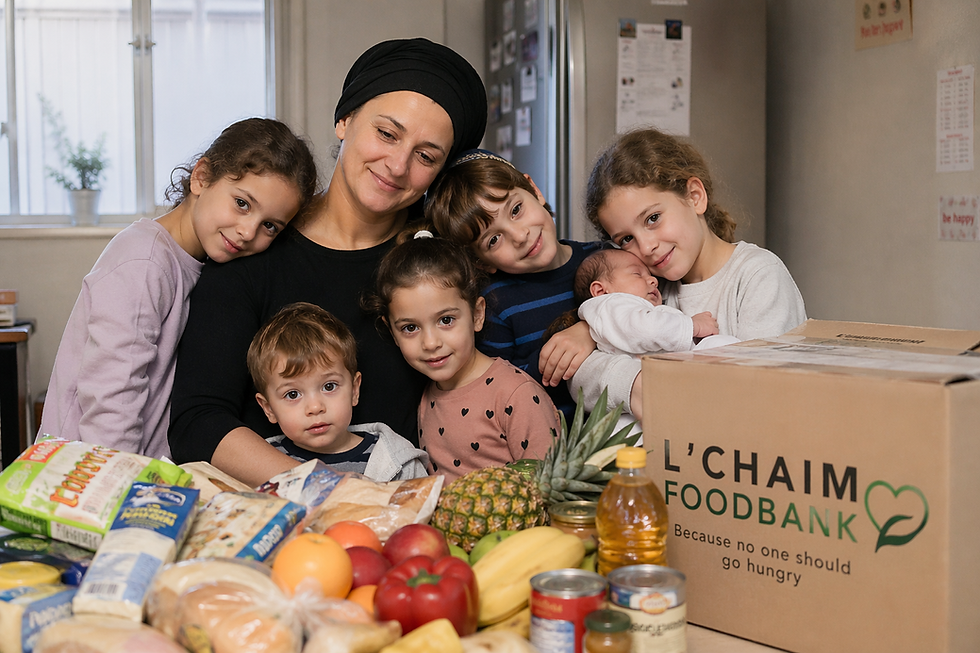
Food waste can be a resource to help those who need it most. Organisations like L'chaim Chabad Foodbank work hard to collect surplus food and redistribute it to families facing hardship. You can play a part in this effort too.
Donate Surplus Food
If you have extra food that you won’t use, consider donating it. Many foodbanks accept unopened, non-perishable items as well as fresh produce.
Check with your local foodbank for donation guidelines.
Package food safely and label expiry dates.
Encourage friends and family to donate as well.
This simple act can make a huge difference in someone’s life.
Volunteer to Sort and Distribute Food
Foodbanks often need volunteers to help sort donations and prepare food parcels. Your time and effort can help ensure that food reaches those who need it quickly and safely.
Contact your local foodbank to find out about volunteer opportunities.
Bring a positive attitude and willingness to help.
Enjoy the rewarding feeling of giving back.
Educate Others About Food Waste
Sharing knowledge about food waste and how to reduce it can inspire others to take action. You can organise workshops, write blogs, or simply talk to friends and family.
Share tips on meal planning and storage.
Explain the benefits of composting and donating.
Highlight the impact of food waste on the environment and community.
Together, we can create a culture of care and responsibility.

Innovative Technologies Turning Food Waste into Resources
Technology is helping us find new ways to use food waste beyond the kitchen and garden. Here are some exciting innovations:
1. Biogas Production
Food waste can be converted into biogas through a process called anaerobic digestion. This biogas can be used as a renewable energy source for heating, electricity, or even fuel for vehicles.
Food waste is broken down by bacteria in sealed tanks.
Methane gas is captured and purified.
The leftover material can be used as fertiliser.
This technology reduces landfill waste and produces clean energy.
2. Animal Feed
Some food waste can be safely processed into animal feed. This reduces the need for growing additional crops and lowers the environmental footprint of farming.
Food waste is treated to remove contaminants.
It is then converted into nutritious feed pellets.
Farmers use this feed to raise livestock sustainably.
This approach closes the loop between food production and waste.
3. Upcycled Food Products
Companies are creating new food products from ingredients that would otherwise be wasted. For example, fruit pulp from juice production can be turned into snacks or baking ingredients.
Upcycled products reduce waste and add value.
They often contain high levels of fibre and nutrients.
Supporting these products encourages sustainable business practices.
Look out for upcycled food items in your local shops!
How You Can Start Utilising Food Waste Today
Taking action doesn’t have to be complicated. Here are some easy steps to begin:
Plan your meals to avoid buying too much.
Store food properly to keep it fresh longer.
Save scraps for compost or broth.
Donate surplus food to local foodbanks.
Spread the word about the importance of reducing food waste.
By making small changes, you can help build a stronger, more caring community.
If you want to learn more about using food waste to support families in need, check out L'chaim Chabad Foodbank’s website. They are doing amazing work to ensure no one in the community goes hungry.
A Brighter Future Through Food Waste Innovation
I feel hopeful when I see how many ways food waste can be turned into something positive. Whether it’s composting in your garden, donating to a foodbank, or supporting new technologies, every effort counts.
Let’s keep finding creative solutions and sharing them with others. Together, we can reduce waste, protect our environment, and help those who need it most. It’s a beautiful way to show gratitude for the food we have and care for our community.
Thank you for joining me on this journey to make the most of food waste. Let’s keep the momentum going!


Comments